Sacred Ceremony
Embracing the Wisdom of Plant Medicine
A Doorway to Higher Consciousness
There are moments when something within begins to stir; a call toward deeper connection, healing, and remembrance. Sacred plant medicine has long been a bridge between the seen and unseen, offering gentle yet powerful guidance for those who feel ready to listen to that call. If you feel the pull, I invite you to step into a space of intention, reverence, and possibility—and explore what may be waiting for you here.
Sacred Plant Medicine Ceremony
I am now offering space for sacred plant medicine ceremonies, held with deep respect, intention, and care. This work is rooted in reverence: for the plants, for the wisdom they carry, and for each individual’s unique journey.
These ceremonies are an invitation to explore healing, insight, and connection in a supportive and intentional environment. Whether you are seeking clarity, emotional release, spiritual growth, or a deeper relationship with yourself, this work can offer a powerful doorway inward.
Each experience is approached with thoughtful preparation. Prior to ceremony, we will connect to discuss your intentions, personal history, and readiness. This ensures that you feel informed, supported, and aligned with the process.
During ceremony, you are held in a safe, grounded space where you are lovingly guided to trust your own inner intelligence. The plants work in their own way and timing, and my role is to support you as you navigate whatever arises with care and presence.
Integration is an essential part of this work. Post ceremony, space is created to reflect on your experience and explore the ways that you can carry any insights or shifts into your daily life. Ongoing support is available to help you continue to process and embody your journey. This offering is approached with humility and respect. It is not a quick fix, but a deeply personal process that unfolds over time.
If you feel called to this work, I welcome you to reach out for a conversation or fill out a client intake form and i will get in touch.
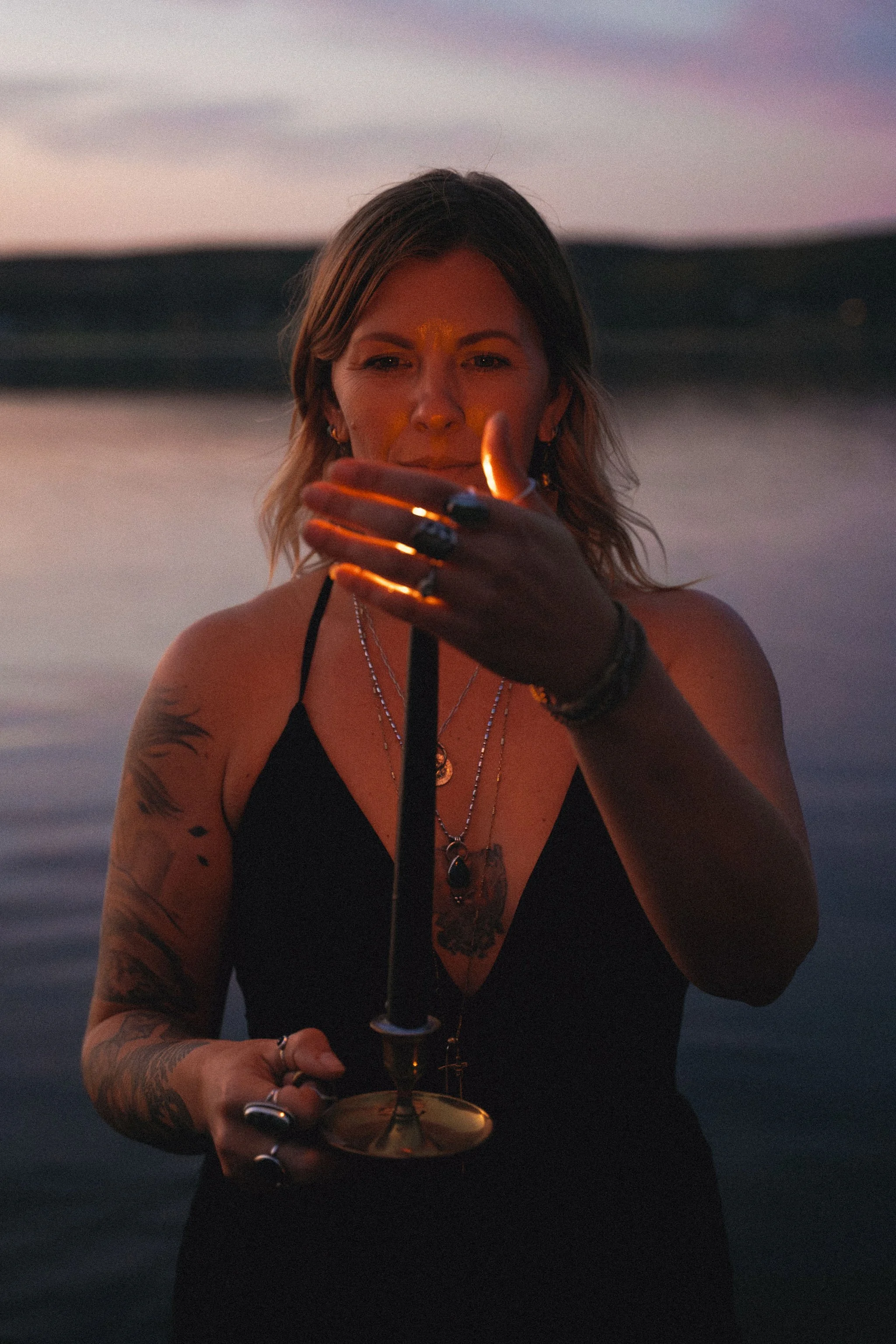
The relationship between humans and psychedelic medicines is ancient, with many cultures around the world holding these plants and fungi as sacred medicines for healing, ceremony, spiritual exploration and connection.
What is perhaps less widely known is that Saskatchewan holds an important place in the modern history of psychedelic research.
In the 1950s, the small Saskatchewan city of Weyburn became an unlikely center for pioneering psychedelic psychiatry. Psychiatrist Humphry Osmond arrived at Weyburn Mental Hospital in 1951, where he began working alongside Saskatchewan-born psychiatrist and researcher Abram Hoffer. Together, they explored the effects of LSD and other psychedelic substances, including their potential applications in psychiatry and the treatment of alcoholism.
It was during this period that Osmond coined the word psychedelic—a term that has since become part of our everyday language. The word comes from Greek roots meaning roughly “mind manifesting,” reflecting his interest in the ways these medicines appeared to bring aspects of the inner world into conscious awareness.
Saskatchewan became home to some of the most significant early psychedelic research in the world. Researchers in Weyburn, Saskatoon and Regina were exploring not only the effects of these substances, but also the importance of the therapeutic environment, preparation, intention and the relationship between the person and the practitioner.
After psychedelic research was largely pushed underground during the prohibition and “war on drugs” era, scientific interest began to re-emerge decades later. Today, researchers around the world are once again studying psychedelic medicines, including psilocybin, for their potential role in mental health and wellbeing.
A Brief History of Psychedelic Healing
What does the research tell us?
Modern research is particularly interested in psilocybin-assisted approaches for conditions such as depression, anxiety and substance-use disorders. Clinical trials and systematic reviews have found promising results, particularly when psilocybin is administered within a carefully supported therapeutic setting. At the same time, researchers continue to investigate questions around long-term effectiveness, safety, dosage, therapeutic support and who is most likely to benefit.
This is important to me: psychedelics are not a magic cure, nor are they something to approach casually. The medicine itself is only one part of the experience. Preparation, intention, setting, support and integration can all play an important role in how a person moves through and makes meaning from their experience.
For me, this work is less about seeking an extraordinary experience and more about creating the conditions for a person to meet themselves honestly, compassionately and deeply.
There is something rather beautiful about knowing that some of the earliest chapters of modern psychedelic research were written right here on the Saskatchewan prairie. In a way, we are continuing a conversation that began generations ago.

Mushrooms as Sacred Medicine
My journey with psychedelics has taken me from curiosity and early experiences in nature to a much deeper understanding of healing, ceremony, and my relationship with myself. In this post, I share what brought me back to Grandmother Psilocybin, how sacred ceremony has supported me in moving beyond old patterns, and what I’ve learned about the importance of integration. This is a reflection on healing, surrender, self-discovery, and remembering that we don’t always have to keep living inside the stories we’ve carried for so long.