

A New Vision for Death Care
Companionship at the threshold of the final journey

A death doula, sometimes called an end-of-life doula, is a non-medical companion who provides holistic support to individuals and their loved ones before, during and after death. Much like a birth doula supports the journey of bringing new life into the world, a death doula accompanies individuals through life's final transition.
This support can look different for everyone. It may involve sitting together and having difficult conversations, exploring fears and spiritual questions, navigating end-of-life options, creating legacy projects, planning meaningful rituals or simply being a calm and compassionate presence in a time when everything feels uncertain.
A death doula recognizes that dying is not solely a medical experience. It is also deeply emotional, relational, spiritual and personal.
My role is to be a supportive witness, meeting you where you are, honouring your wishes and helping create an end of life experience that reflects what matters most to you.
What is a Death Doula?
Death as a Sacred Passage
We spend so much of our lives preparing for what comes next. We prepare for birth, childhood, relationships, careers and the many milestones that shape our lives. Yet we rarely give ourselves the same opportunity to prepare for our transition toward death. In fact in western culture many do their very best to avoid having these important conversations. Death is not separate from life. It is part of the same human experience, deserving of the same compassion, presence and reverence that we bring to all of life's significant moments
I have to wonder tho, what might happen if we opened more doorways into having these conversations and approached death and dying with curiosity rather than avoidance. Could our final threshold moment become a sacred passage if we embraced the emotional and spiritual dimensions of this experience alongside the medical care we may need?
We might not be able to choose the circumstances surrounding death, but I feel we can create opportunities for connection, intention, dignity and meaningful choices along the way. I believe that taking a holistic approach that supports the dying’s mind, body and Spirit can change the way that we view death and dying. This is the heart of my work as a Doula.
As a death doula, I offer non-medical, holistic companionship to individuals and families navigating the end-of-life experience. My role is to provide a supportive presence, help facilitate space for meaningful conversations, offer resources and guidance, and support the emotional, spiritual and practical aspects of individuals and families preparing for death.
Whether you are living with a terminal diagnosis, caring for someone nearing the end of life, beginning to explore your wishes for the future, or navigating the loss of someone you love, you don't have to walk this passage alone. There is room for grief, uncertainty, laughter, connection, reflection and even beauty in this process. My intention is to help create space for all of it.

How I Can Support You
Every person's experience of dying is unique. There is no universal roadmap, and support should reflect the individual, their loved ones, their beliefs and their needs. My offerings include:
End of Life Planning and Guidance
Having conversations about death before a crisis arises can be an incredibly empowering act of care. I can help you explore your wishes, consider available options and identify the questions you may want to discuss with your healthcare team and other professionals.

This may include:
Exploring personal values, wishes and priorities for end-of-life care.
Discussing options for care settings and available support services.
Preparing questions for medical providers and care teams.
Exploring Advance Care Planning and documenting personal wishes with the appropriate professionals.
Discussing funeral, burial, cremation and other after-death considerations.
Helping families understand the practical and emotional considerations that accompany dying.
Planning is not about controlling every detail. It is about creating opportunities for informed choices, meaningful conversations and greater peace of mind.
Emotional & Spiritual Support
A terminal diagnosis or approaching death can bring forward an enormous range of emotions. Fear, anger, sadness, relief, gratitude, uncertainty and questions about what comes next may all exist together. There is no right way to feel. I offer a compassionate, non-judgmental space to explore these experiences without the expectation that anything needs to be fixed or resolved.
Support may include:
Exploring fears, concerns and unresolved feelings.
Making space for conversations about meaning, purpose, faith and spirituality.
Breathwork and gentle grounding practices when appropriate and welcomed.
Guided reflection, meditation and visualization.
Exploring relationships, forgiveness, reconciliation and unfinished conversations.
Supporting loved ones through anticipatory grief and emotional overwhelm.
My approach honours each person's worldview. Whether spirituality is central to your life, something you are questioning, or not part of your experience at all, you are welcome exactly as you are.
Legacy Projects and Life Review
Our lives are made up of stories, relationships, experiences and memories. Taking time to reflect on what we have lived and what we wish to leave behind can be a deeply meaningful part of the end-of-life journey. Legacy work offers an opportunity to celebrate a life, preserve memories and create lasting connections for those we love.

Some possibilities include:
Recording personal stories, memories and life lessons.
Creating letters, audio messages or video messages for loved ones.
Compiling photographs, family histories and meaningful keepsakes.
Creating memory books, journals or personal collections.
Sharing wisdom, values, traditions and family stories.
Exploring what it means to be remembered and what we hope to leave behind.
Legacy isn't necessarily about what we leave in the physical world. Sometimes it is the stories we tell, the love we share and the ways we have touched one another's lives.
Vigiling and Bedside Companionship
Vigiling is the practice of keeping watch and offering a compassionate presence as someone approaches death. The final days and hours of life can be an especially vulnerable time for both the dying person and their loved ones. Families may feel exhausted, uncertain of what is happening and afraid of being alone.
My role as a doula is to offer a calm, supportive presence at the bedside, helping create an environment that feels peaceful, personal and reflective of the individual's wishes.
This may include:
Sitting quietly with the dying person.
Offering gentle reassurance and companionship.
Supporting family members who wish to be present.
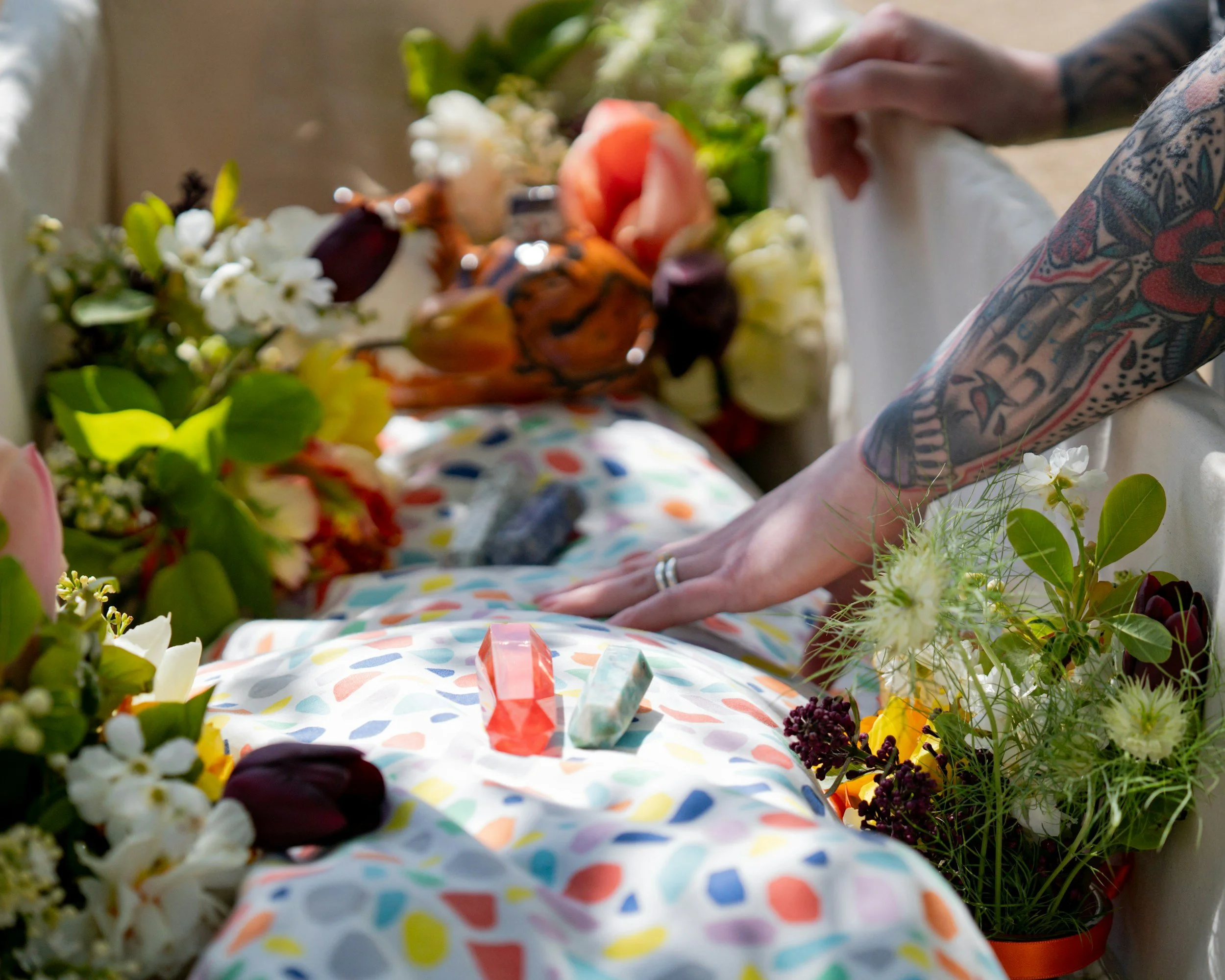
Creating a peaceful environment through music, meaningful objects, lighting or other personal touches.
Offering gentle breath awareness, prayer, meditation or spiritual practices when welcomed and appropriate.
Helping loved ones navigate the emotional experience of the final hours.
Providing respite companionship so family caregivers can rest.
Sometimes there is nothing to say and nothing to do. Sometimes the most meaningful offering is simply being there.
Sacred Ceremony and Ritual
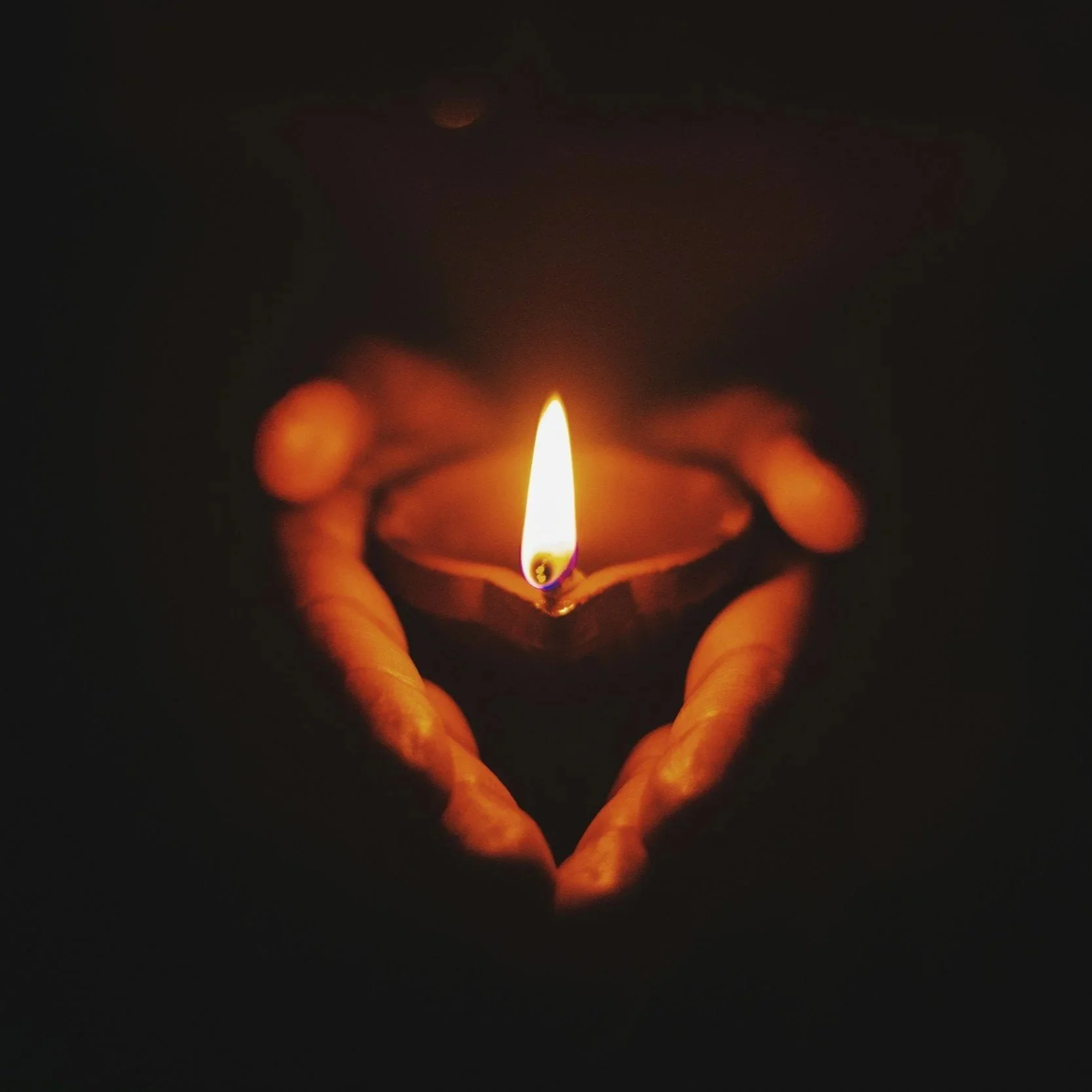
Ritual can offer a meaningful way to acknowledge life's transitions, express love, honour relationships and create space for what words cannot always hold. Ceremony does not need to be elaborate or follow a particular spiritual tradition. It can be as simple as lighting a candle, sharing stories, holding hands, offering prayers or gathering loved ones to honour a life.
Depending on personal wishes and beliefs, I can help create or facilitate meaningful rituals such as:
End-of-life blessing or intention-setting ceremonies.
Family gatherings and opportunities for intentional connection.
Personal rituals for release, reflection and closure.
Spiritual or faith-based practices in keeping with individual beliefs.
Bedside ceremonies and meaningful moments of farewell.
After-death care rituals to honour the person who has died.
There is no prescribed way to say goodbye. The intention is to create space for connection, meaning and the sacredness of the moment.
Grief Tending and Bereavement Companionship
Grief does not begin or end with a single moment and for many it begins long before death occurs, as we anticipate the loss of someone we love. It continues in the days, months and years that follow, often unfolding in ways we could never have anticipated.
I believe grief deserves space, attention and compassion rather than a timeline or expectation to move on. Through grief tending, I offer gentle companionship as individuals and families navigate the experience of loss in the days leading up to and the weeks and months after the passing of their loved one.

This may include:
A compassionate space to talk about the person who has died.
Gentle reflection and opportunities to honour memories.
Creating personal rituals to acknowledge loss and transition.
Exploring ways to maintain meaningful connections with those who have died.
Supporting the emotional and spiritual challenges that can accompany bereavement.
Connecting individuals with additional grief resources and professional supports when needed.
Grief is not something to be fixed. It is an expression of love, connection and the significance of what we have experienced through the realtionship with another.
What a Death Doula is and is not…
A death doula is:
A compassionate companion and witness through the dying process.
A resource for information, options and end-of-life planning.
A supportive presence for emotional and spiritual exploration.
An advocate for your wishes, values and preferences.
A guide in creating meaningful rituals, legacy projects and opportunities for connection.
A source of support for family members and loved ones navigating anticipatory grief and loss.
A death doula is not:
A medical professional, nurse or physician.
A replacement for palliative care, hospice or other medical services.
Someone who diagnoses, treats illness, administers medication or provides medical advice.
A legal or financial advisor, or a replacement for a lawyer, notary or funeral professional.
Someone who makes decisions on your behalf or directs how you should experience death.
My role is complementary to the care provided by your medical and professional support team. I work alongside these supports, respecting their roles while tending to the many needs that can exist beyond medical care. Above all, I believe that each person deserves the opportunity to be heard, respected and supported in a way that honours their individual wishes and values. My role is to be a steady voice and presence in times when you are unable to advocate for your self.